Muscles hurt after training

__large.jpg "5th element: , Photo 10355")
__large.jpg "5th element: , Photo 10356")




__small.jpg "5th element: , Small photo 10355")
__small.jpg "5th element: , Small photo 10356")
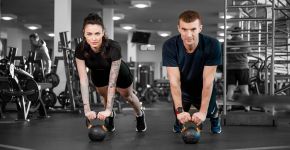
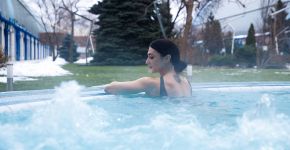
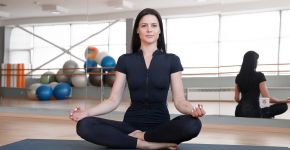

Should muscles hurt after training?
The question of whether muscles should hurt after training causes a lot of discussion among fitness and sports enthusiasts. The answer is simple: it all depends on the intensity of the training, the level of preparation, as well as the individual characteristics of the body.
Pain sensations are within the norm
Muscle pain after exercise, known as delayed onset muscle soreness, is caused by microtrauma to muscle fibers that occurs as a result of physical activity. It is the body’s natural response to stress, stimulating muscle recovery and growth. The intensity of the pain depends on the level of load, type of exercise, and physical fitness. To reduce delayed onset muscle soreness, it is recommended to warm up, stretch, drink enough water, and use recovery methods such as massage or contrast showers.
Excessive pain sensations
__large.jpg "5 Элемент: тренировки в Киеве, Фото 2510")
It is also worth focusing on the degree of pain. If after training the muscles hurt very much and this pain binds the body, slows down the gait, does not allow you to raise your arms, legs or bend, most likely, the body has received too much stress. Such pain means that it will take more time to recover. In the future, it is recommended not to allow such pain after training by correcting the training program, which can be helped by a professional trainer.
Why do muscles hurt a day after training?
Answering the question: why do muscles hurt a day after training, it is worth immediately noting the most important thing - these sensations indicate excessive overtraining.
This happens when a heavy workout was performed with a load increased by at least 10% compared to previous workouts. The muscle fibers have received extensive microdamage and during pain, an inflammatory process develops.
Is it possible to exercise if your muscles hurt?
As for the question of whether it is possible to train if muscles hurt, the answer depends on the degree of pain and the individual characteristics of the body. In most cases, moderate muscle pain is not an obstacle to training. Physical activity, even if you have mild pain, may even help speed up the recovery process.
For example, if your muscles hurt after training your legs, many people wonder whether they can work out in the gym the next day. If the pain is severe and causes general discomfort to the entire body, gait, and simple everyday movements, it is recommended to abandon the load and give the body time to rest and recover. But if your leg muscles are only slightly sore after training, you can go to a second session the next day and give your body less stress by working a different muscle group.
After the first workout your muscles hurt, when should you go for the second?
Another popular question is: if your muscles hurt after the first workout, when should you go for the second? As soon as the muscles begin to ache, this means that they have received microtraumas and their natural inflammation has begun. The pain may last approximately 24-48 hours.
If you are planning to go to a second workout while your muscles are still sore from the first, it is important to consider the following factors:
- Pain intensity. If your muscle pain after your first workout is mild or moderate, you can probably continue exercising safely. However, if the pain is intense or is felt in most muscles, it is wiser to give it additional time to recover.
- Ability to recover. Everyone recovers differently: some recover faster, others take longer. If you have good physical fitness and are used to regular training, you will be able to train more often than a beginner.
- Type of training.If you plan to train the same muscle groups that have already been worked, this can lead to overwork or even injury. In this case, it is better to concentrate on other muscle groups or choose an easier workout to give the body time to recover.
Overall, it is important to listen to your body and act according to its response. If you feel like you need extra time to recover, give yourself that opportunity.

What can you do to relieve the pain?
If your muscles hurt after a workout, as a rule, it is enough to give the body proper rest, sleep and nutrition - then the pain will go away on its own. Every day the pain will become less noticeable and will completely go away on its own.
But if your muscles hurt a lot after training, and you want to quickly reduce the pain in order to feel comfortable, you can try muscle relaxation methods in a comprehensive manner or individually:
- Stretching.Stretching relaxes tense muscles and improves blood circulation. This is beneficial in reducing pain and promoting recovery.
- Massage.A gentle massage also relaxes tight muscles and increases blood circulation, so that pain is noticeably reduced or even disappears completely after the session.
- Nutrition and drinking regime. Drinking water regularly throughout the day, as well as foods enriched with proteins and antioxidants, helps muscle recovery and reduce pain.
- Anti-inflammatory drugs.If pain or discomfort is severe, you can take medications to temporarily relieve symptoms. This is only permissible for emergency assistance to the body; you should not abuse medications. To effectively eliminate pain, it would be a good idea to consult a trainer or doctor.

Balance between training and rest for best results
The balance between exercise and rest is very important for achieving high results in the training process. Maintaining balance allows the body to adapt to physical activity and recover, which ultimately leads to improved fitness and achievement of goals. And if your muscles hurt a lot after training, this is a sign that you need to adjust your rest intervals and training intensity.
- >Planning a training program. It is important to develop a well-structured exercise program that includes a variety of physical activities. This should include strength training, cardio and stretching. This will allow you to diversify the load on your muscles and joints, and thereby provide the necessary recovery time between workouts.
- Set goals and monitor progress. It’s helpful to set personal, specific training goals and track your progress. This will help maintain motivation and adjust the intensity of your workouts according to your goals.
- Take into account individual needs. Each person is unique and their needs for rest and recovery may vary. It is recommended to listen to your body and give priority to your own needs. If you feel tired or overworked, it’s best to give yourself extra time to rest.
- Balanced diet. A healthy diet, as well as drinking clean drinking water, play a key role in muscle recovery and growth. When the body receives sufficient nutrients and fluid, its performance is always at a high level. This means that it is able to recover faster after training.
- Dream. Its importance for well-being cannot be underestimated. Only proper rest in the form of sound, healthy sleep ensures the production of the necessary hormones for the regeneration of muscle fibers.
Do stretching, massage, take a contrast shower or visit a sauna to help your muscles rehabilitate after intense exercise. The 5 Element fitness club has all the conditions for productive workouts and effective relaxation after them.
Source List
- Фізичні вправи у здоровому способі життя / Валерій Голубєв - "К.І.С.", 2016
- Здоров'я через фізичні вправи / Лариса Кравченко - "Веселка", 2014
- Вправи для здоров'я і довголіття / Олена Петренко - "Наш Формат", 2018
