What is cardio training: types and what is included
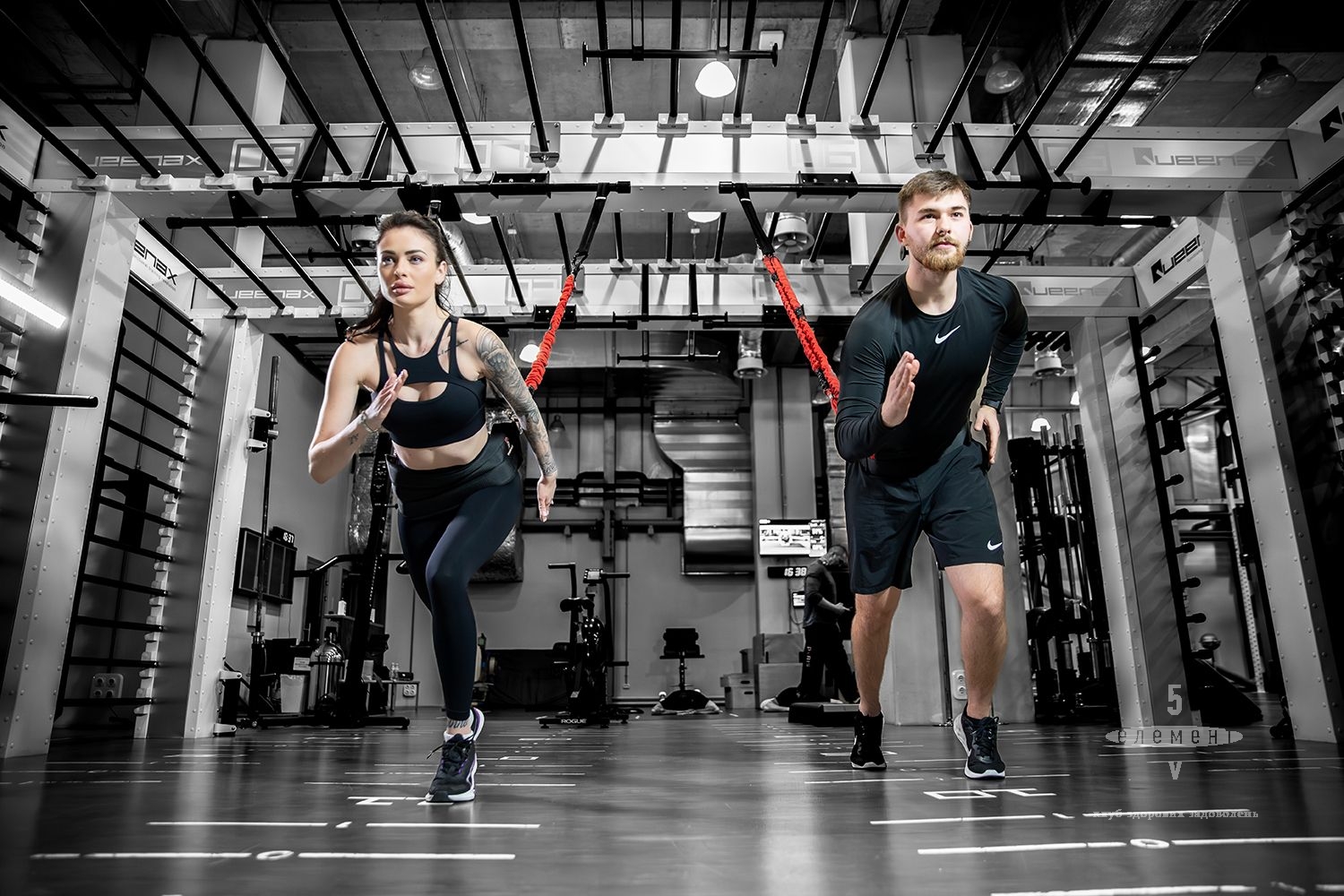
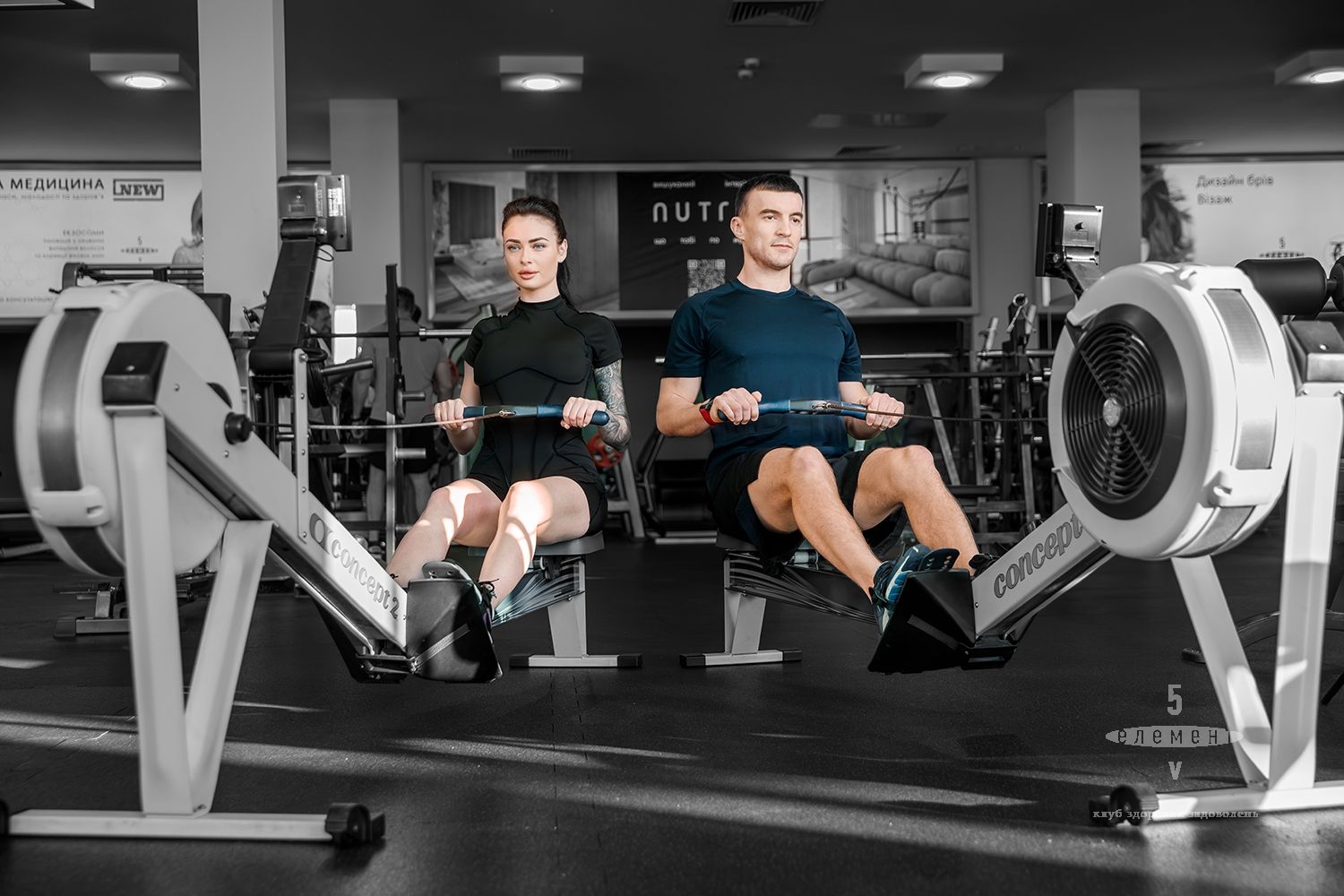
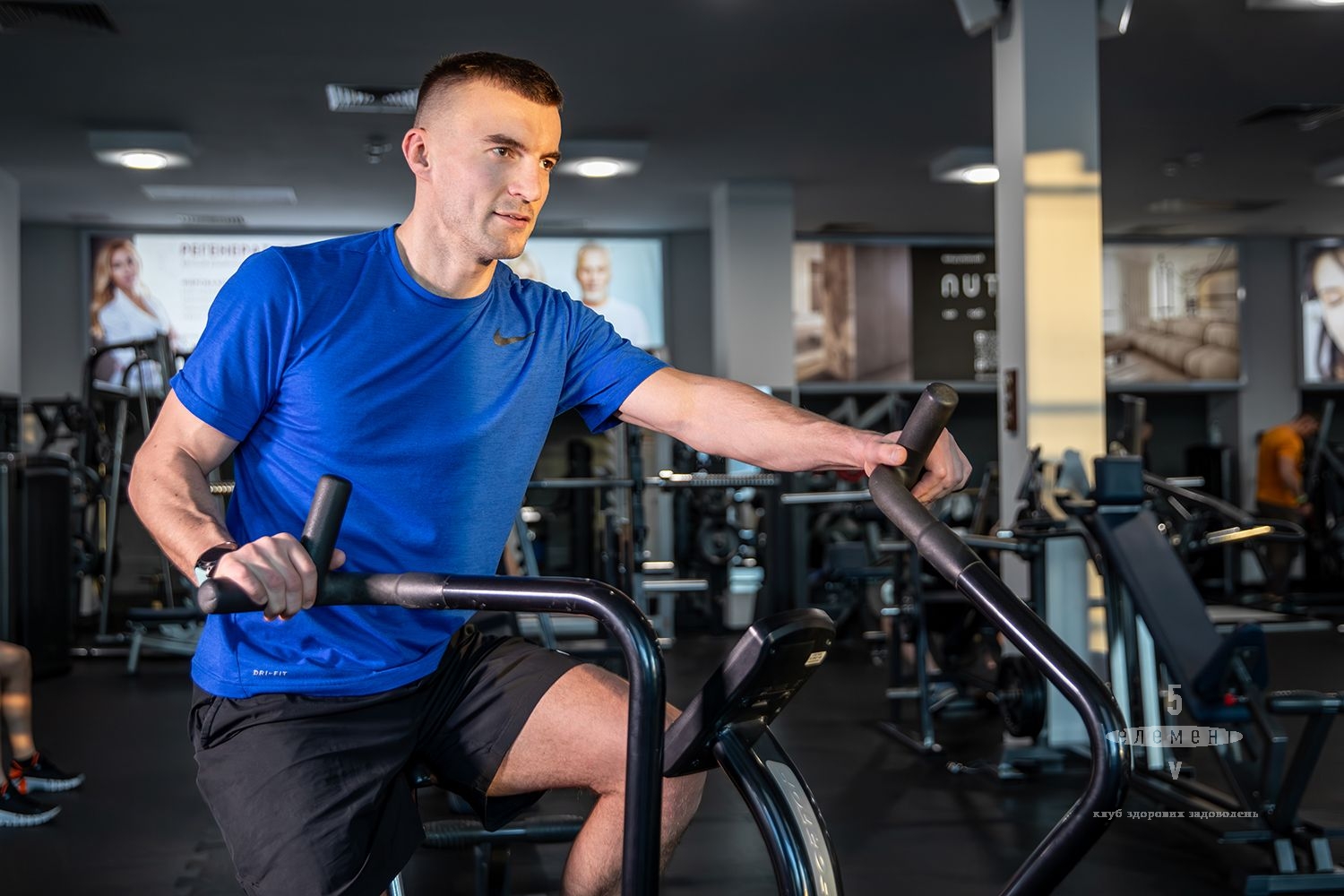


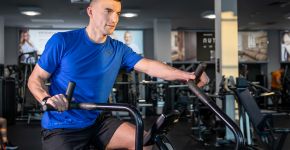



Regular cardio training is an effective way to improve your health, fitness and achieve your goal weight. Cardio exercise helps burn calories, strengthens the heart and blood vessels, increases endurance and improves mood. During exercise, the heart begins to work faster, blood vessels dilate, delivering more oxygen to the muscles, and the respiratory system develops. To understand for yourself what cardio training is, we advise you to try to do such exercises systematically and perform them correctly, under the guidance of professionals.
What is cardio training: main types of exercises
Cardio training is physical exercise that increases your heart rate and makes your heart and lungs work harder. Such exercises have a positive effect on the functioning of organs, strengthen blood vessels, develop the respiratory system, increase endurance and help you lose weight. What is included in cardio training:
- run;
- walking;
- jump rope;
- swimming;
- bike;
- boxing, team sports;
- dancing, jumping, aerobics;
- skis;
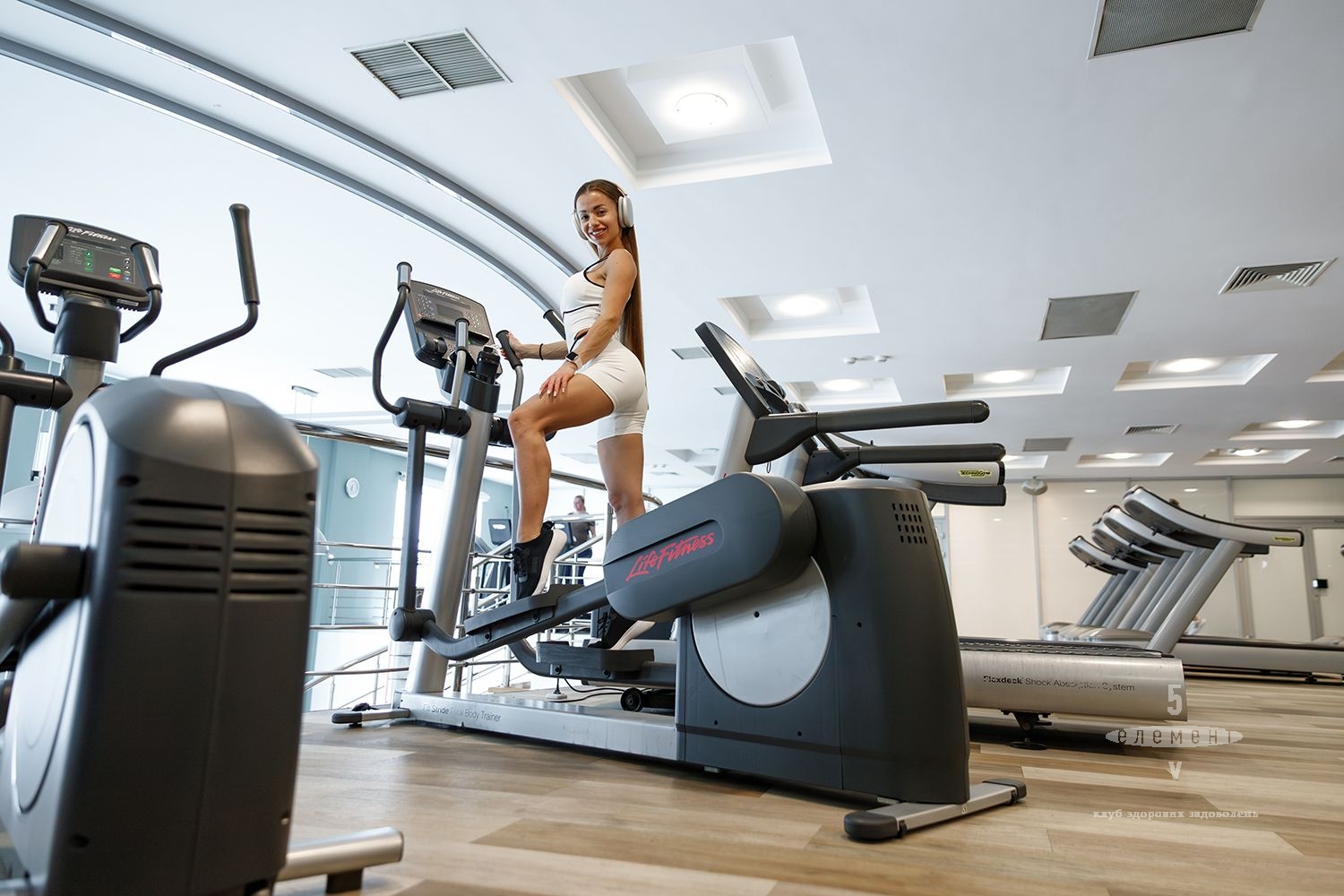
- elliptical trainers.
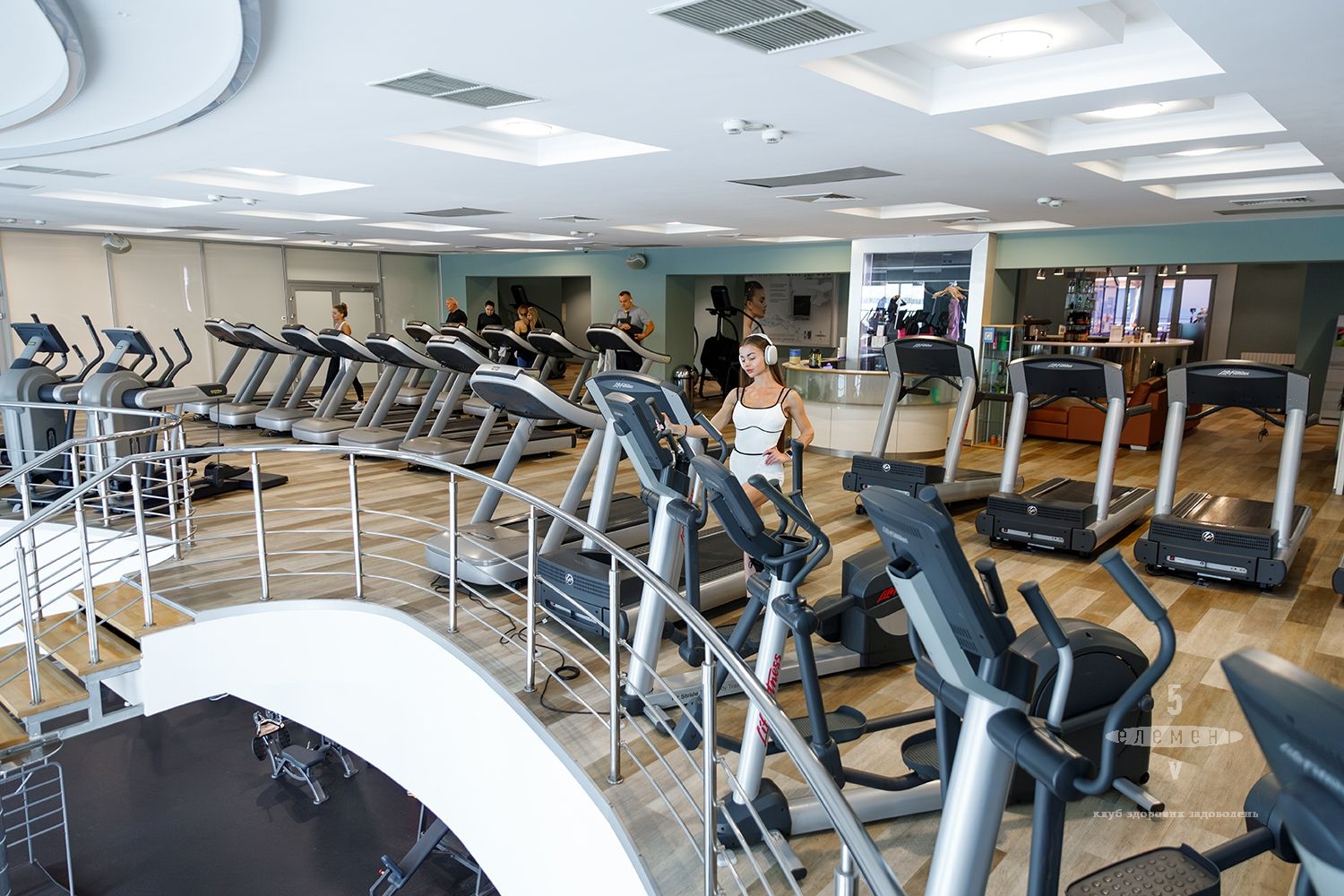
Such exercises pump up the cardiovascular system, improve blood circulation and oxygen supply to the body. The “5 Element” club conducts classes on cardio equipment according to specially designed programs. The most popular are treadmills. The trainer takes into account the client’s physical fitness, age and weight category, gradually changing the complexity and pace of the load.
What do cardio workouts give you?
Cardio exercise is one of the effective and scientifically proven ways to improve your overall health and fitness. Research shows that regular aerobic exercise has a complex positive effect on the body, reducing the risk of many serious diseases.
Thanks to many years of experience, our specialists have come to the conclusion that regular physical exercise significantly improves a person’s quality of life. After just a few weeks, it becomes noticeable that cardio training gives:
- the functioning of the cardiovascular system improves;
- fat is burned and weight gradually returns to normal;
- sleep improves and stress levels decrease;
- lung volume increases, breathing becomes deeper and smoother;
- the quality of sexual life changes for the better;
- self-esteem increases, cognitive functions improve.
Regular cardio also helps control cholesterol and blood sugar levels, reducing the risk of diabetes and atherosclerosis. Research shows that just 2-3 cardio sessions per week reduces the risk of cardiovascular disease by 30%. Even a little physical activity (just 15 minutes a day) significantly improves your quality of life.
Aerobic exercise is directly related to a person’s psycho-emotional state. Agree, when you dance, a smile involuntarily appears on your face; when you run, you conditionally set a finish line for yourself and try to run to it first; when you box, you get rid of negative thoughts and emotions. The body actively produces “happiness hormones” – endorphins and serotonin, which improve mood, reduce anxiety, and relieve depression.
Intensity and frequency of cardio training for weight loss and weight maintenance
The principle of cardiological training is to increase the heart rate and pulse within certain limits.
Based on this, experts identify three main types of cardio intensity. They can be used separately or combined in one workout.
- Low-intensity cardio. Classes last from 30 to 60 minutes. This is mild aerobic exercise, such as walking and swimming. This intensity of cardio exercise for weight loss is not effective, but it significantly improves metabolism and perfectly tones the body. This is the best option for beginner athletes. This type of load is below 50% of the minimum heart rate (MHR).
- Moderate intensity cardio. Class time is 40-80 minutes. This is the most recommended method for losing weight, improving heart function and maintaining good physical condition. It is 60%-70% of the MHR.
- High intensity cardio. Class interval is 10-40 minutes. They have a positive effect on hormone production, blood sugar levels and metabolic rate. This method ranges from 70% to 95% MHR.
The effectiveness of cardio training depends on its combination with proper nutrition and sleep patterns. A balance between intensity, frequency and proper nutrition will help you achieve the desired results in losing weight and maintaining your desired weight.
Cardio intensity while gaining weight
When gaining muscle mass, many are faced with the question: how to properly combine strength training and cardio? Our experts are confident that the key component to successful weight gain is proper planning and management of the intensity of cardio training. To maintain an optimal weight category, 150 to 300 minutes of moderate physical activity per week is required.
There are several opinions about what types of cardio exercises are best for gaining muscle mass. Some people find that high-intensity interval training (HIIT) helps burn fat and preserve muscle mass, while others prefer longer, moderate-intensity cardio sessions.
When gaining weight, it is important to understand what cardio exercises are, take into account their intensity and type. Excessive levels of exercise can lead to fatigue and inhibited muscle growth, especially if adequate nutrition and rest are not provided.
The specialists of the “5 Element” center approach the choice of cardio training intensity individually, taking into account physical capabilities, goals and the overall program. For people trying to gain mass, moderate intensity cardio (about 60-70% of maximum heart rate) may be the optimal solution.
Cardio training should not replace strength training, which is the basis for gaining muscle mass. They can be an additional tool for maintaining overall fitness, improving endurance and burning excess calories.
Where to start cardio training: basic recommendations
Our experienced trainers believe that for maximum benefit, cardio exercises should be regular and intense. The optimal duration is 30-60 minutes, three to five times a week. It is important to choose a suitable load and pulse in the aerobic zone (65-85% of maximum heart rate). To effectively and quickly get rid of extra pounds, experts from the 5 Element club recommend using a complex of cardio-strength training.
You can contact our professional trainers at any time and get the necessary advice regarding training. Here are some general guidelines from experts on how to start doing cardio and get good results.
- Define your goals. Whether it’s losing weight, preventing cardiovascular disease, or staying in good physical shape, a clear understanding of your goals will help you build the right training program.
- Choose the right type of cardio. Running, swimming, cycling, walking - each of these types of aerobic exercise has its own characteristics. Give preference to what is most comfortable and accessible to you.
- Start gradually. You shouldn’t immediately rush to extremes - it’s better to start with 20-30 minutes of training 2-3 times a week. Over time, you can increase the duration and frequency of classes.
- Dose the load correctly. Focus on your heart rate - it should be 60-80% of the maximum. Monitor your health and do not overload your body.
- Don’t forget about recovery. Alternate cardio training with strength training, rest and do not forget about proper nutrition.
- Remember to warm up and cool down to prepare your body for training and gradually reduce the load after it. Over time, you can increase the intensity and duration of your workouts to achieve new goals.
The most important thing that cardio training gives is health and a beautiful figure. Include them in your weekly schedule - and you will quickly feel a surge of energy, as well as an improvement in your physical and psycho-emotional state!
Source List
- Здоров'я через фізичні вправи / Лариса Кравченко - "Веселка", 2014
- Фітнес/психологія / Наталія Бурлакова - "Академія", 2017
- Фізичні вправи у здоровому способі життя / Валерій Голубєв - "К.І.С.", 2016
